HVAC Installation Closeout: A Permit-Ready Documentation Workflow
An HVAC installation can be mechanically complete while its closeout is still scattered between a technician's phone, an install folder, and a permit coordinator's inbox. That gap creates inspection delays, warranty questions, and customer uncertainty. A permit-ready closeout workflow gives each required item an owner and a review point before the team calls the job finished.
Begin by separating physical completion from administrative readiness. The equipment may be installed, but inspection evidence, serial information, approved documents, and commissioning results may still be pending. Use distinct internal statuses or checklist steps so no one interprets a completed install visit as proof that every next obligation has been met.
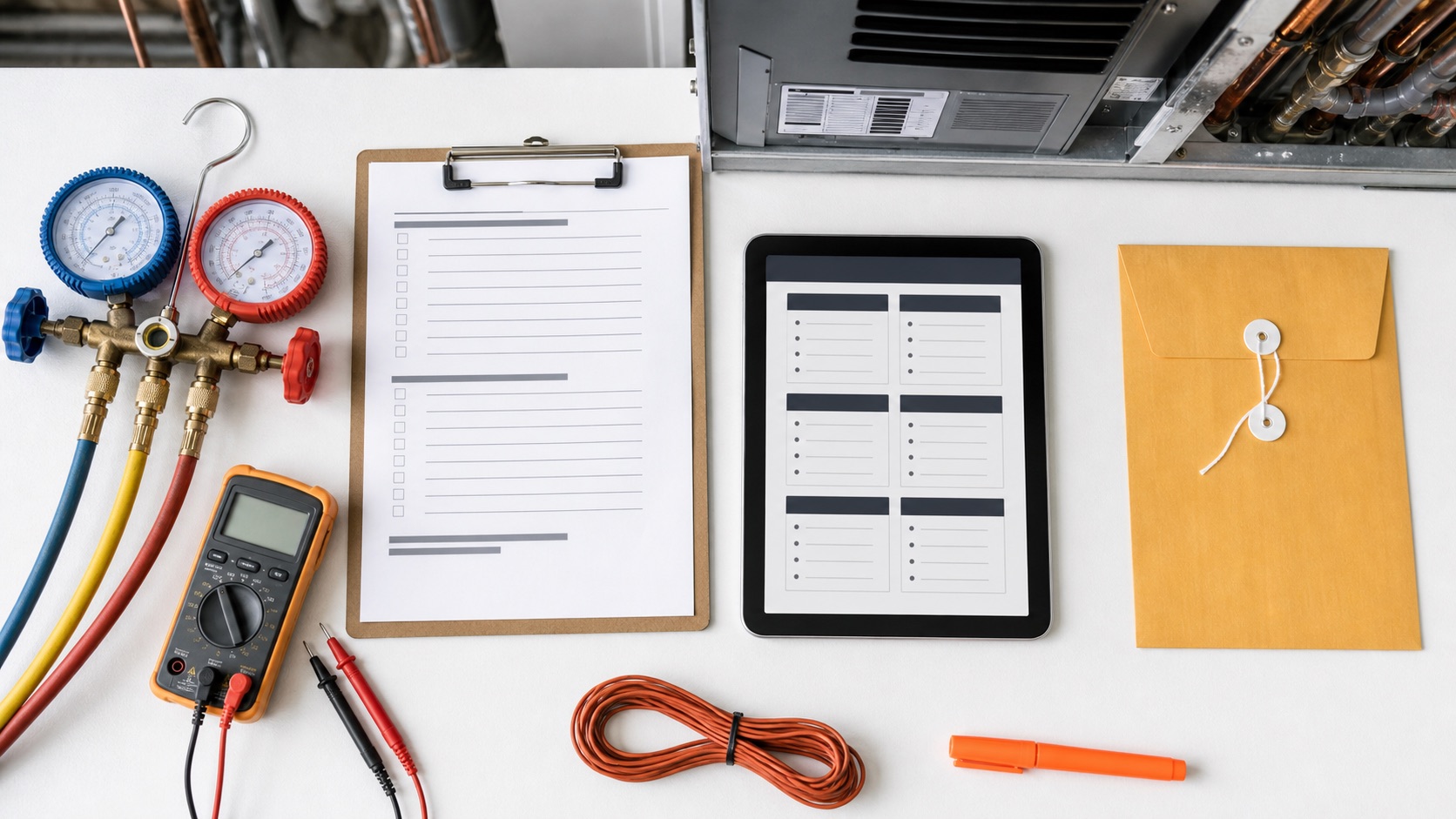
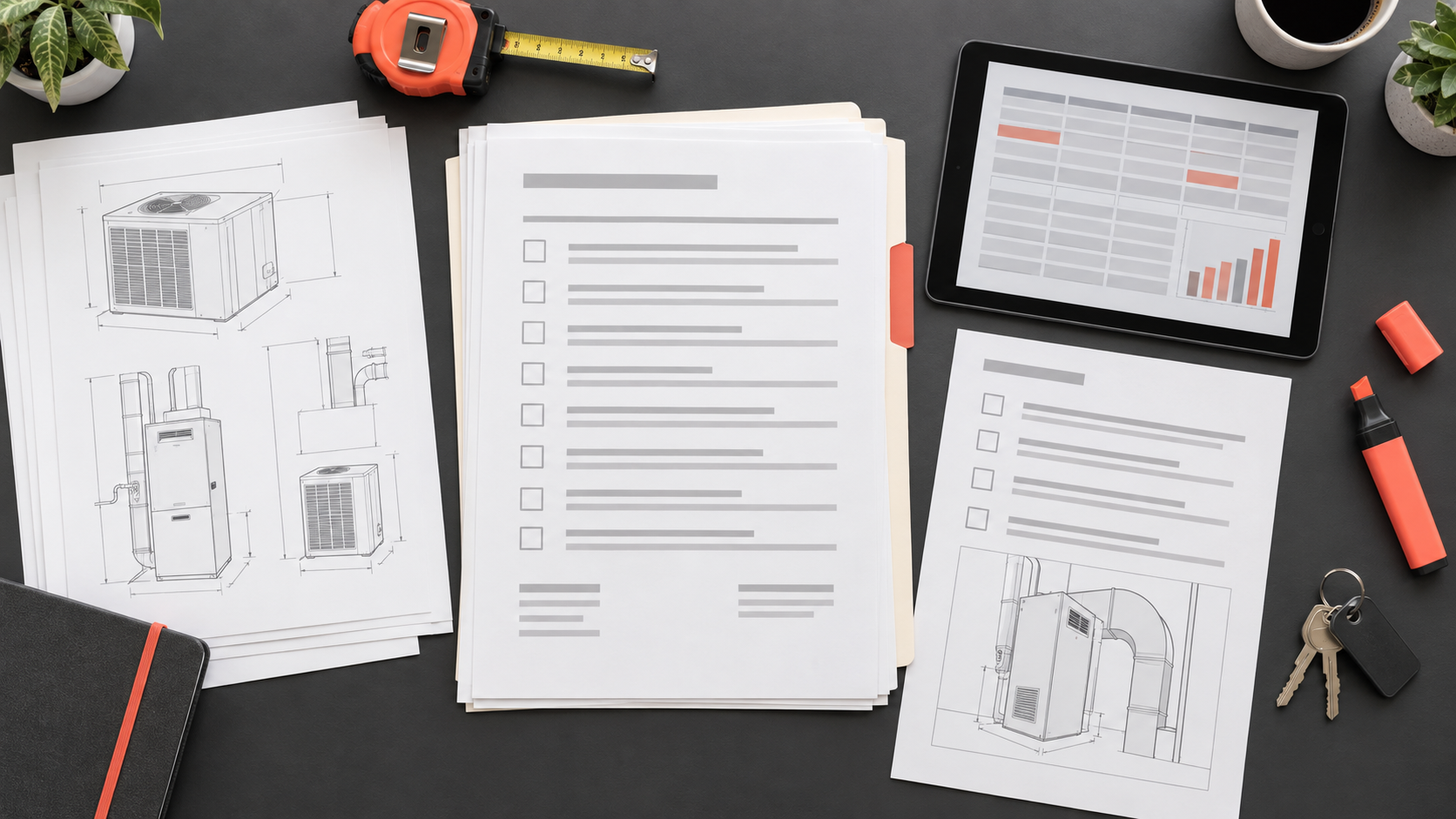
Define the closeout package before dispatch. List the items your company and local process require for this job type: approved scope, equipment details, installation photos, permit or inspection references, commissioning evidence, customer handoff information, and warranty documents. Requirements vary by jurisdiction and manufacturer, so have the responsible operational or compliance owner maintain the approved list.
Assign one owner per missing item. A checklist that says obtain permit paperwork does not identify who will do it. Name the office or field owner, the due point, and the evidence that closes the task. If the installer supplies a serial photo and the coordinator handles an inspection request, show both handoffs. Shared responsibility without a named owner is usually unowned work.
Capture equipment information at the source. Ask the field team to verify the relevant model and serial data against the installed equipment and take clear supporting photos where needed. Do not transcribe details from a proposal after the fact if the installed equipment could differ. A second internal reviewer should resolve any mismatch before a customer record or warranty submission relies on it.
Keep inspection readiness factual. A date on a calendar is not proof that an inspection was requested, scheduled, passed, or closed. Record the exact state your team can support and the next action owner. Joby's job context can hold visit details, notes, tasks, and related files for the team; it does not replace the local authority process or automatically determine permit compliance.
Build a customer handoff that matches the record. Provide the operating information, contacts, and documents your actual process calls for. Tell the customer what remains, such as an inspection window or follow-up visit, only when it is confirmed through your process. Keep promises about approvals, rebates, or warranty registration within the terms your company can verify.
Use a final internal review. Before closing the closeout package, compare the signed scope, installed equipment evidence, photos, commissioning records, and open tasks. The reviewer should be able to identify a missing file or disagreement without rebuilding the entire job history. If an item is pending, leave a clear task with an owner instead of placing an ambiguous completed note on the record.
Treat failures as workflow feedback. When an inspection is delayed or a warranty request needs correction, identify which handoff failed: missing field evidence, unclear owner, outdated checklist, or an incomplete customer update. Fix that component for the next installation. Do not respond by requiring every technician to collect every possible document on every job.
A controlled closeout lets the install team finish strong without claiming more automation than the process has. Joby provides a shared job record for the details, files, tasks, and history your team chooses to keep there; disciplined ownership is what makes the package permit-ready.