
How to Build a Roofing Follow-Up System After Storm Season
Storm season can make a roofing company look busier than it has ever been while hiding a painful truth: the team is losing jobs in the follow-up. Leads come in fast, inspections pile up, estimates go out, insurance conversations stall, and homeowners who seemed serious disappear into silence. The revenue is not lost because the roofers cannot sell. It is lost because the process is not visible enough to work consistently.
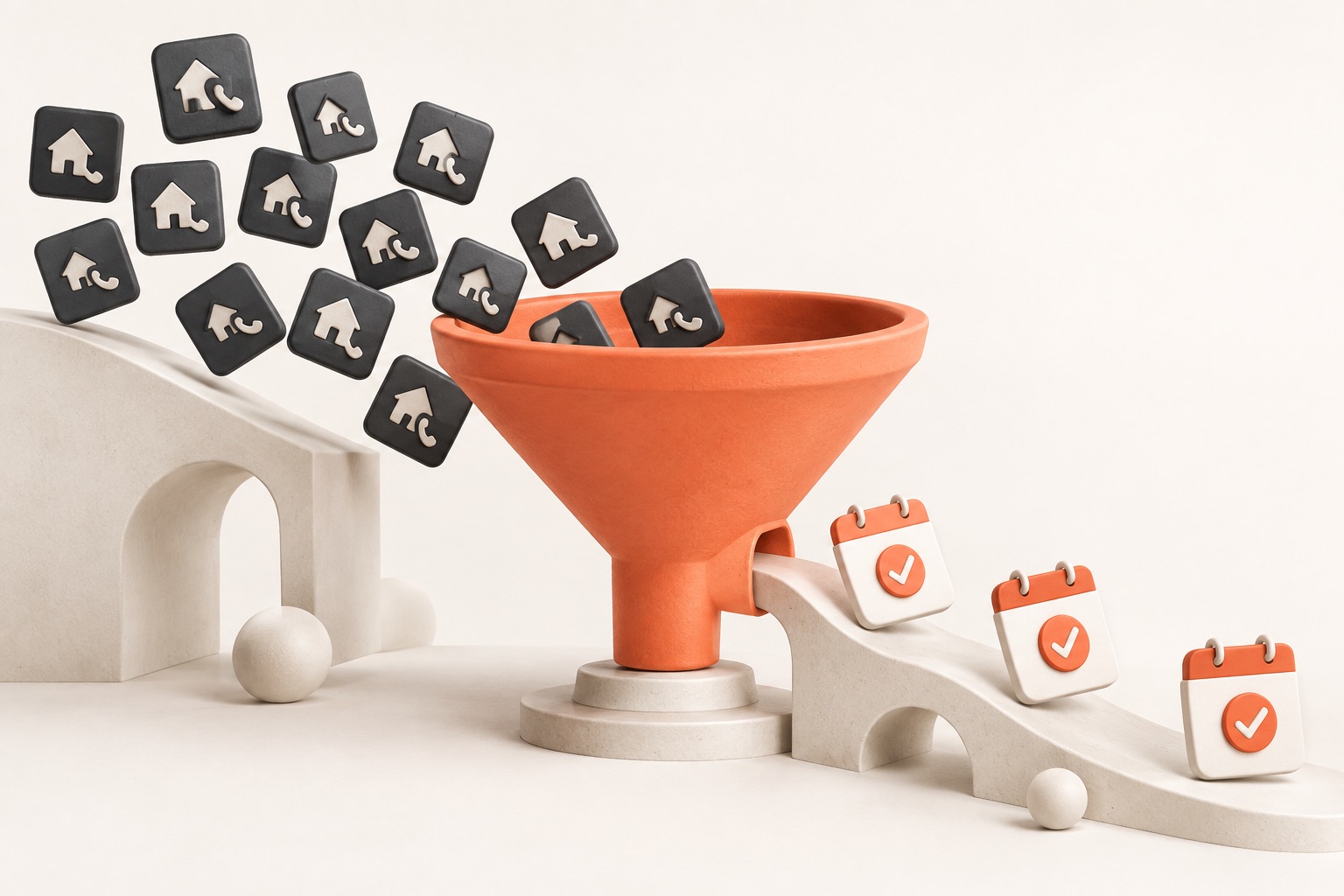
A roofing follow-up system is the operating layer between inspection and signed job. It should show where every homeowner is, who owns the next action, what happened last, and what needs to happen today. Without that structure, the highest-value jobs often sit in someone's notebook, text thread, or memory.
Start with storm-specific stages. Generic CRM stages like 'new,' 'contacted,' and 'closed' are not enough for storm work. Roofing teams need stages that match the real motion: New storm lead, inspection scheduled, inspection completed, estimate sent, insurance pending, adjuster meeting, supplement needed, approved, production scheduled, and lost or inactive. The pipeline should speak the language of the team.
Separate inspection work from estimate follow-up. Inspections and estimates behave differently. Inspection follow-up is about speed: can we schedule, confirm, and show up? Estimate follow-up is about trust and timing: does the homeowner understand the scope, deductible, insurance status, and next step? Keeping these motions separate makes reporting more useful.
Treat insurance pending as active work. The 'insurance pending' stage is where many roofing deals disappear. A homeowner may be waiting for an adjuster, a carrier response, or guidance from your team. Your CRM should make insurance-pending jobs visible, with reminders for adjuster dates, document requests, supplement follow-ups, and customer check-ins.
Use a 14-day post-estimate cadence. A practical cadence after sending an estimate is: day 0 text confirmation, day 1 call, day 3 email with scope recap, day 5 SMS asking if they want help with questions, day 7 call, day 10 insurance/document check, day 14 close-the-loop message. The cadence should stop when the homeowner replies, books, or declines.
Record the reason when a job stalls. 'No response' is not enough. Use simple lost or stalled reasons: waiting on spouse, waiting on insurance, price concern, competitor selected, timing delay, not storm-related, or bad fit. This gives the owner a real view of the pipeline instead of a vague list of stale leads.
Make production handoff clean. The sales team should not hand production a messy thread. A closed roofing job needs estimate details, customer notes, insurance notes, photos, material selections, measurements, and promised dates in one record. The smoother this handoff is, the fewer customer experience problems happen later.
Use dashboards for follow-up pressure. Owners should watch open estimates by age, insurance-pending count, adjuster meetings scheduled, stale leads by rep, estimates sent this week, and sold jobs by source. These numbers show where the storm response is healthy and where follow-up is slipping.
Avoid pretending software replaces judgment. A CRM can organize storm follow-up, reminders, call history, SMS, estimates, and pipeline visibility. It should not pretend to magically solve insurance negotiation, roof measurement quality, or production capacity. The best roofing systems help managers see the work clearly so the team can make better decisions.
The bottom line. Storm season rewards speed, organization, and persistence. Roofing teams do not need a bigger spreadsheet. They need a follow-up system that turns every inspection and estimate into owned work. When the pipeline is visible and the cadence is consistent, fewer jobs go quiet and more storm demand turns into signed production.