
Home Service Review Request Workflow: Ask for Feedback While the Job Is Fresh
Build a respectful post-job review request workflow with the right trigger, a human exception path, and follow-up that never pressures customers.
Read articleBlog
Tips, strategies, and data-driven insights to help you grow your service business.

Build a respectful post-job review request workflow with the right trigger, a human exception path, and follow-up that never pressures customers.
Read article
Create a weekly time-approval workflow that connects field hours, job context, corrections, and payroll review without treating every variance as a mistake.

Track schedule disruptions by cause, owner, and outcome so dispatch teams can reduce repeat fire drills without promising impossible precision.

Build a practical knowledge-capture workflow that turns field observations, photos, customer preferences, and equipment history into usable context for the next technician.

Create clearer arrival windows, update rules, and exception handoffs so customers know what to expect without dispatchers making promises the schedule cannot support.

Turn an approved estimate into a ready-to-schedule job with a clear scope review, customer commitments, material checks, and ownership for every unresolved detail.

Design practical call-routing rules for service businesses so urgent callers, existing customers, sales inquiries, and overflow calls reach a responsible person with useful context.

Use a small, fair call-quality scorecard to improve intake, expectation-setting, documentation, and follow-up—not to turn every customer conversation into a script recital.

Build a practical contractor license renewal workflow that tracks credential owners, deadlines, documents, and exceptions without assuming that a calendar reminder alone keeps a business compliant.

Set practical reorder points for the parts that repeatedly delay service work, using usage history, supplier lead times, truck-stock ownership, and a simple weekly review.

Use a short daily production report to connect roofing crews, office staff, and homeowners on completed scope, weather delays, material status, photos, and the next planned action.

Document jobsite safety meetings with a repeatable topic, attendee record, field-specific actions, and follow-up ownership—without turning a short briefing into paperwork theater.

Create useful job photos with a simple before-and-after standard, required views, quality checks, and a clear connection to estimates, approvals, and closeout.

Finish HVAC installations with a controlled closeout package that assigns document owners, tracks inspection readiness, and preserves warranty evidence.

Prevent missed commercial service visits by confirming access contacts, arrival procedures, restricted areas, and a documented handoff before dispatch.

Confirm home service appointments with a clear message, response rules, access checks, and an office-to-dispatch handoff that avoids last-minute surprises.

Capture plumbing water-damage findings with useful photos, time-stamped notes, customer communication, and boundaries that keep diagnosis and restoration decisions clear.

Handle roofing scope changes with field evidence, one approval owner, a clear customer explanation, and a documented revised plan before extra work begins.

Explain diagnostic fees before dispatch with a clear booking script, documented expectations, repair approval boundaries, and a consistent office-to-field handoff.

Coordinate subcontractor work with a clear scope, site readiness, change approval owner, completion evidence, and a documented return handoff.

Measure inquiry-to-booking conversion with consistent cohorts, qualified-request definitions, pending outcomes, and practical examples for service teams.

Keep equipment details, service findings, photos, and open recommendations organized so the next technician starts with a useful history.

Build a service appointment waitlist with availability, job-fit checks, offer deadlines, and confirmed schedule changes that protect existing bookings.

Turn customer referrals into clear service requests with accurate source tracking, one follow-up owner, and a respectful handoff to the new customer.

Identify duplicate home service inquiries, preserve source history, and assign one follow-up owner without confusing repeat customers or separate jobs.

Plan multi-day service jobs with visit-level scope, crew assignments, readiness checks, and daily handoffs that keep customers and dispatch aligned.

Build a customer complaint recovery workflow with clear ownership, fact gathering, approved remedies, update deadlines, and verified follow-through.

Track backordered parts, customer updates, and return-visit readiness so unfinished service jobs stay owned from diagnosis through completion.

Coordinate tenants, property managers, site contacts, and repair approvals before dispatching a home service technician to a managed property.

Use clear loss reasons, customer evidence, and consistent quote cohorts to improve home service estimating without guessing or blanket discounting.

Capture the facts, screen for immediate hazards, set expectations, and hand urgent plumbing calls to the right person without diagnosing by phone.

Turn startup readings, equipment records, customer training, and warranty tasks into a consistent installation closeout.

Use clear ownership, update checkpoints, and documented customer choices when weather, parts, emergencies, or job duration change the schedule.

Coordinate materials, labor, site access, weather decisions, and customer expectations before the roofing crew arrives.

Turn field findings into a clear panel-upgrade estimate with documented load needs, scope boundaries, permits, options, and follow-up.

Build a practical short-term cash forecast from approved work, schedules, invoices, payment terms, and known operating commitments.

Build a repeatable review that catches material, labor, and supplier changes before yesterday's assumptions weaken today's job margins.

Design clear schedules, screening, escalation rules, and handoffs so after-hours coverage does not depend on memory.

Turn camera findings into a clear excavation estimate with documented evidence, scope boundaries, ownership, and follow-up.

Build a fair utilization report that separates productive time, travel, callbacks, training, and open capacity so staffing decisions reflect the real workday.

Define warm transfers, escalation reasons, ownership, and callback deadlines so urgent customer calls reach the right person without losing context.

Turn qualified replacement opportunities into accountable sales follow-up while preserving the technician's diagnosis, customer priorities, and next-step promise.

Build a same-day recovery workflow that protects dispatch capacity, gives customers clear options, and turns schedule gaps into accountable follow-up.

Compare revenue, conversion, travel burden, callbacks, and capacity by service area so growth decisions reflect operating reality, not job count alone.

Keep authorization, PO details, scope, field proof, invoice requirements, and follow-up connected from the first request through payment.

Build a fair, fast service callback process that protects the customer, gives technicians useful context, and shows managers where repeat visits originate.

Create a practical permit and inspection workflow with clear stages, owners, documents, customer updates, and exception queues for contractor jobs.

Use invoice aging buckets, ownership, dispute tracking, and promised-payment tasks to build a collections process customers can understand.

A practical scheduling system for balancing seasonal demand, customer promises, technician capacity, and overdue maintenance visits without relying on a side spreadsheet.

Turn an approved roofing estimate into a production-ready job with clear scope, documents, material decisions, ownership, and customer communication.

Use a repeatable daily and weekly reconciliation process to catch unmatched payments, partial balances, refunds, and deposit questions before month-end.

A practical closeout workflow helps techs capture job notes, photos, recommendations, payment status, and follow-up before the truck leaves the driveway.

Callbacks are not just schedule interruptions. Track warranty reasons, ownership, customer updates, and resolution outcomes so the team can fix the pattern.

Response-time reporting works when teams define the first meaningful touch, segment urgent leads, and review overdue follow-up before revenue leaks out.

A full board is not the same as a healthy schedule. This workflow helps dispatchers spot capacity risk, hold emergency room, and assign work with better context.

Old estimates create margin risk when material prices, labor assumptions, or scope details change. Use this workflow to expire, revise, and follow up without surprising customers.

Plumbing service plans work only when visits, renewal timing, customer value, and missed follow-up are visible. This reporting workflow shows what to track.

Revenue can look healthy while labor, materials, callbacks, and discounts quietly drain the job. This reporting workflow shows owners what to track before margins disappear.

Plumbing estimates move faster when diagnosis notes, options, approvals, deposits, and follow-up all stay tied to the same customer record. Here is a practical workflow.

A call QA scorecard helps service businesses coach intake quality, booking consistency, and handoffs without relying on random call listening or vague feedback.

Good-better-best pricing works when the options are clear, scoped correctly, and tied to a follow-up plan. Here is how home service teams structure tiered estimates that help customers decide faster.

AI voice works best when the team defines what it can book, what it should escalate, and how context gets passed to a human. These guardrails keep automation useful instead of risky.

Declined cards do not have to turn into bad debt or uncomfortable collections. This workflow shows service teams how to retry, notify, task, and follow up without losing the customer relationship.

Old quotes do not die because customers always say no. They usually die because nobody runs a structured revival process. Here is how to segment stale estimates, call them back with context, and recover real revenue.

A cheap lead source can still be expensive if it creates low booking rates, weak ticket sizes, or heavy cancellation work. This scorecard shows owners how to compare channels using real operational outcomes.
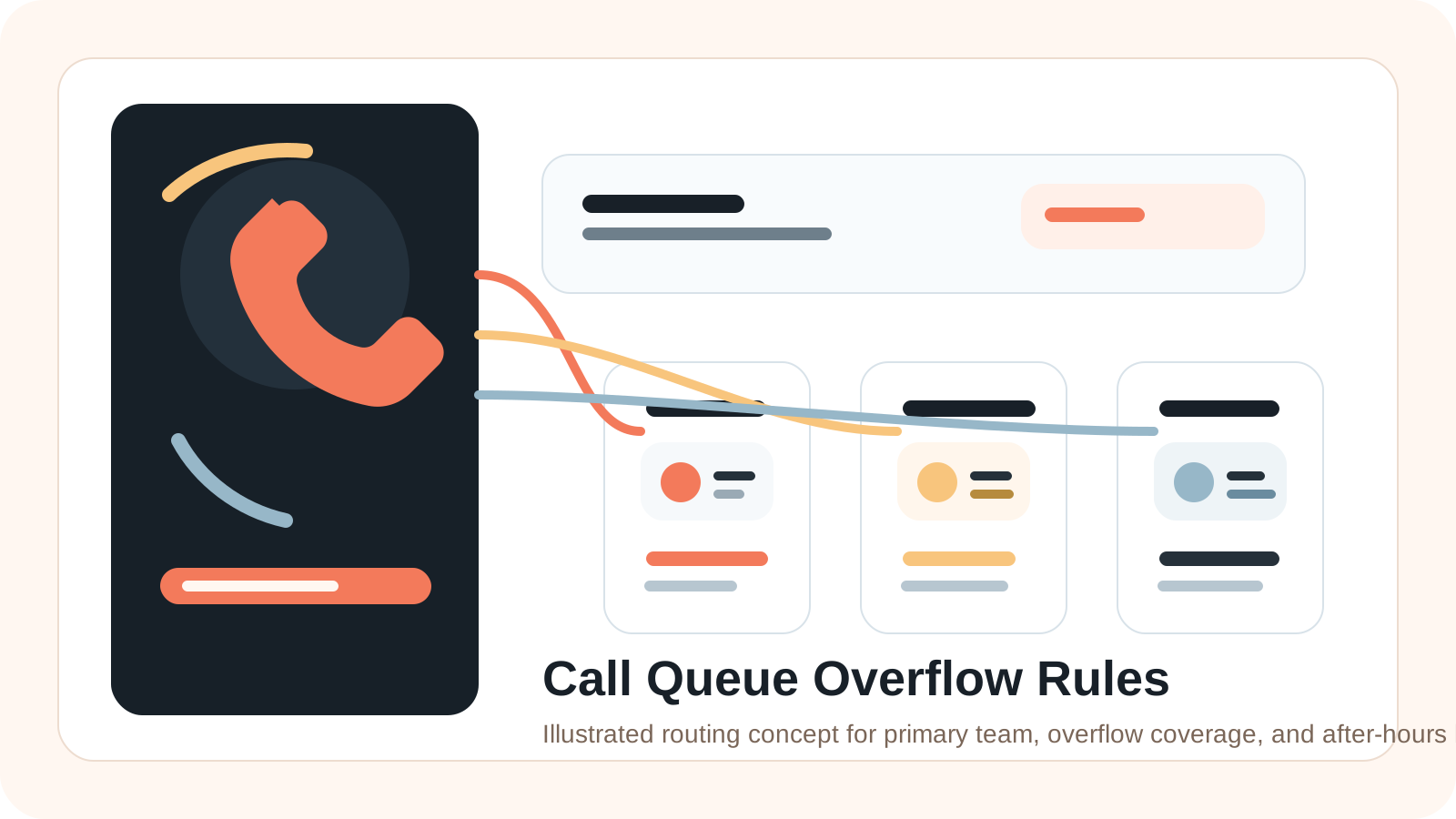
Inbound phone coverage breaks when nobody defines what happens after the primary CSR team is full. Use these overflow rules to protect response speed, preserve context, and avoid silent missed-call leakage.

Commission disputes usually start with bad visibility, not bad intent. This scorecard workflow shows how owners track sold work, collected revenue, clawbacks, and rep credit without month-end confusion.

Change orders fall apart when the team texts scope changes, emails PDFs later, and forgets who approved what. This workflow shows how to keep document approvals tied to the job record.

Dispatch errors often start before the job is booked, when nobody defines who should own which territory and shift. These assignment rules help teams protect response times without pretending software does all the thinking.

When every rep writes a different call note, follow-up breaks down fast. This guide shows how to standardize call outcomes so your team knows what happened, what happens next, and what to report on.

Insurance roofing jobs slow down when supplement status, homeowner updates, and deposit steps live in different places. Here is a practical workflow that keeps the file moving without constant confusion.

A messy dispatch handoff creates missed callbacks, late arrivals, and confused techs before the day even starts. Use this checklist to close one shift cleanly and open the next one with context.

Call recording helps with coaching and handoffs, but only if your team handles notices, consent, retention, and pause rules the right way. This guide gives owners a workable policy.

Membership renewals slip when the office waits too long or relies on one reminder. This workflow shows how HVAC teams can queue calls, texts, tasks, and estimate updates before revenue churns away.

A quote is only half the job. This workflow shows how to move customers from estimate to approved work with tighter follow-up, clearer options, and faster deposit collection.

A strong dispatch board is not route magic. It is live operational visibility into jobs, gaps, callback pressure, and service-area coverage so the office can make faster decisions.

Plumbing emergencies do not wait for business hours. Here is a practical after-hours call workflow that uses AI voice for triage, books the non-urgent work, and escalates real emergencies to a human.

Most payment problems start long before an invoice ages out. This workflow shows how service businesses can collect deposits, tighten approvals, and reduce unpaid balances without awkward chasing.

Missed calls are often the most expensive leaks in a service business. This guide shows the exact text-back workflow that keeps the lead warm, creates a callback ticket, and gets the conversation moving again.

Storm season creates a flood of inspections, estimates, insurance conversations, and stale opportunities. Here's how roofing teams can organize follow-up without losing high-value jobs.

The best phone scripts are tied to the CRM record, call outcome, and next action. Use these practical scripts for inbound leads, missed-call callbacks, estimates, and price objections.

Most estimates are not won or lost the day they are sent. This cadence shows exactly when to call, text, and email so your team follows up without sounding pushy.

A useful dashboard is not a wall of charts. These are the call, lead, estimate, revenue, and team metrics that tell owners where the business is leaking money.

The field service mobile app is the single most-used surface in any home-service business — techs live in it 8 hours a day. Here's what to demand in 2026, what most apps still get wrong, and how to evaluate one before you commit.

Every US home-service business that sends SMS to customers must register for A2P 10DLC with the major carriers — or risk being blocked. Here's what it is, why it exists, and how to register without a compliance headache.

Housecall Pro and Jobber are the two most searched-for field service platforms. Both serve small home-service teams well — but they're different. Here's an honest comparison plus when a third option makes more sense.

Everyone's talking about AI voice agents. Very few articles show real use cases with real numbers. Here are 5 concrete scenarios for home-service businesses, with actual ROI math.

Why home-service teams are replacing separate CRMs and VoIP providers with a single all-in-one platform — and what to look for when you make the switch.

What a power dialer actually does, how it's different from click-to-call and predictive dialers, and how home-service teams use it to spend less time dialing between calls without hiring more office agents.

ServiceTitan is the enterprise king, but its quote-only pricing and depth are more than most teams under 20 techs need. Here are 7 alternatives, honestly compared.

Most service businesses lose 30-40% of inbound leads to slow follow-up. Here's how automation, callback tickets, and workflow triggers keep every lead warm.

Spreadsheets work until they don't. Learn the warning signs that your growing team has outgrown manual lead tracking — and what to look for in a CRM.

Efficient dispatch is the difference between 3 jobs a day and 5. Here's how top-performing teams organize their field operations with modern tools.
Weekly tips and insights for home-service businesses. No spam.
14-day free trial. Credit card required. Cancel anytime.
We use cookies to improve your experience. Privacy Policy